

How to Prevent Small Plumbing Issues From Becoming Major Disasters
How to Prevent Small Plumbing Issues From Becoming Major Disasters Ignoring a tiny leak or a slow sink is an easy mistake to make when you have a busy schedule. However, those small drops usually lead to massive water bills and structural damage before you even notice. The quickest way to prevent a small plumbing…

Catch These Minor Plumbing Issues Before They Cost You Thousands
Hidden water leaks and blocked lines can quickly wreck a building from the inside out. According to the Environmental Protection Agency, the average household leaks more than 10,000 gallons of water every year. That amount of wasted water can weaken drywall, warp floors, and rot wooden support beams. When water sits behind walls, it creates…
Yard Sludge? The Warning Signs You Shouldn’t Ignore
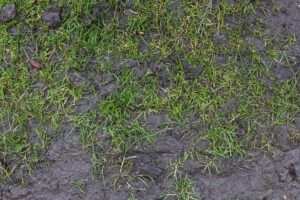
Finding a random patch of soggy, foul-smelling mud in your yard is a quick way to ruin your afternoon. That thick sludge is usually the first indicator that your main waste line has cracked or collapsed underground. When waste cannot move properly through your plumbing system, it forces its way upward into your soil. Pipers…
Do You Really Need to Flush Your Water Heater?
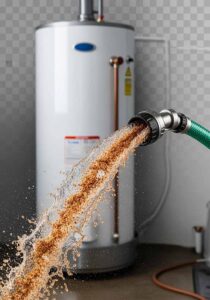
Yes, and it is one of the most overlooked items on any home maintenance list. Sediment from dissolved minerals in your water supply settles at the bottom of your tank over time, reducing efficiency and shortening the life of the unit. For households in the South King County area, where water hardness varies by neighborhood,…
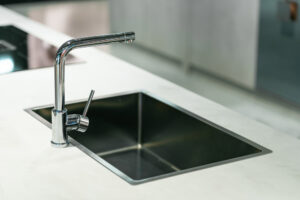
The Best Faucet Styles for High-Traffic Bathrooms
High-traffic bathrooms need more than a faucet that looks good. They need one built to hold up under constant use without dripping, corroding, or failing ahead of schedule. The style you choose affects more than aesthetics. It shapes how easy the fixture is to clean, how long it lasts, and how quickly problems show up.…

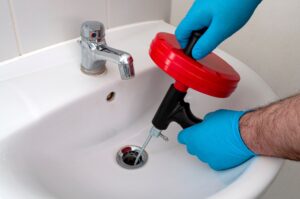
5 Signs Your Drains Need More Than a Plunger
A plunger is most people’s first move when a drain acts up, and for simple surface clogs, it works. But it’s a temporary fix at best, and there’s a whole category of drain problems it can’t touch. It creates suction, not pressure, so anything sitting deeper in the line stays right where it is. That’s…